


Rhode Island
Water Damage
Water Damage Cleanup
Water Damage Company
After the Spring Thaw: Spotting and Addressing Water Damage in Your Rhode Island Home
April 03, 2026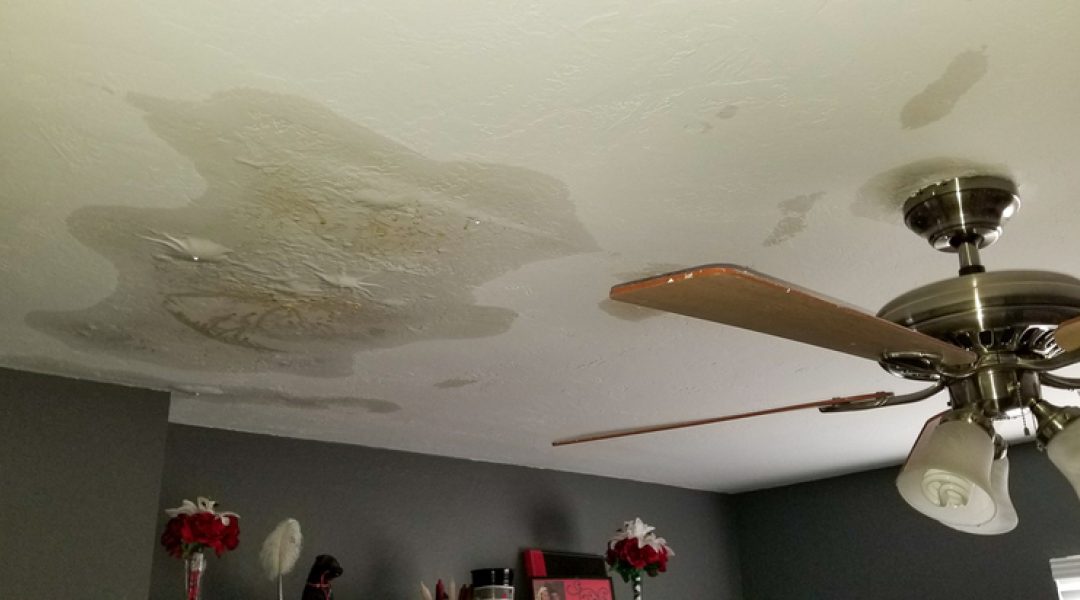
As the weather gets warmer, water can sneak into your Rhode Island property. At Clean Rite Cleaning & Restoration, our water damage team can help. Reach out to us today!
The snow is gone, and temperatures are rising, but spring in New England doesn't always mean clear skies for homeowners. As snow and ice melt, water moves fast and doesn't always end up where it should. For many, thawing brings new problems rather than relief.
Water damage restoration in Rhode Island is urgently needed when issues are first noticed. If you spot damp spots, musty smells, or unexplained stains this spring, act immediately to prevent further damage.
Why the Spring Thaw Puts Homes at Risk
Rhode Island winters are wet and cold, putting homes under stress. When snow and ice melt rapidly, the ground can only absorb so much at once; the rest must go elsewhere.
Saturated soil pushes water to a structure's lowest points. Hydrostatic pressure builds against foundation walls and floors. Clogged gutters overflow. Gaps in flashing, window seals, or roofing may open up as temperatures swing.
Water intrusion often starts quietly. Homeowners may not notice issues until water has worked into walls, floors, or framing. By April, damage may already be underway.
Where to Look for Signs of Damage
After the thaw, take time to walk through your home carefully, inside and out. These are the areas that most often show spring water damage first:
Basement and crawl spaces
These spaces usually show thaw damage first. Look for standing water, waterlines, efflorescence, or wet insulation. A musty smell often appears before visible moisture.
Foundation walls
Check for new cracks, damp patches, or wet areas. Even small cracks let in steady seepage over time.
Flooring
Warped hardwood, bubbling laminate, or soft carpet spots suggest water beneath the surface. This damage can spread before becoming visible.
Ceilings and walls
Yellow stains, peeling paint, or bubbling drywall can reveal water that traveled from the roof or exterior walls during the melt.
Around windows and doors
Inspect frames and sills for swelling, discoloration, or soft spots. These are common trouble spots after months of snow and ice on the exterior.
If something looks off, don’t wait to get it checked. Restoration is most straightforward when caught before spreading to other materials.
What Happens When Water Damage Goes Unaddressed
Water quickly moves through materials and won’t stop on its own. Floors and framing within days.
Category 1 water, which includes clean water from sources like snowmelt and rain, can still cause serious problems when left to sit. Mold can begin developing within 24 to 48 hours in a moist environment, and once it takes hold, the situation becomes significantly more involved to address.
Structural materials such as wood framing, drywall, and insulation can absorb and retain moisture over time. The longer water sits, the more material needs to be removed and replaced rather than simply dried out. What could have been handled with drying equipment becomes a full remediation and repair project. Timing is one of the most critical factors in water damage restoration, and Rhode Island homeowners face this each spring. Acting in April rather than waiting keeps the scope of the work smaller.
What to Do When You Find Water Damage
If you’ve found something in your home this spring, do this:
Document everything before touching anything. Take photos or videos of all affected areas for insurance and to help + understand the problem before cleanup.
Try to stop water entry. If water enters through a gap or drainage issue, make a safe, temporary fix. This reduces further water exposure.
Contact your insurance provider. Report the damage and confirm your coverage. Knowing your policy details keeps the process smooth.
Call a professional restoration team. Speed is crucial. Rhode Island pros can assess, extract water, dry the structure, and monitor moisture. They use commercial-grade air movers, dehumidifiers, and moisture mapping to ensure full drying before repairs.
Skip DIY drying. Home fans and dehumidifiers don’t move enough air to dry structural materials. Incomplete drying causes ongoing moisture problems and mold.
Water Damage Restoration Rhode Island
Spring thaw damage may feel overwhelming, but acting quickly helps your home recover fully.
Clean Rite Cleaning & Restoration delivers trusted water damage restoration for the unique challenges Rhode Island homeowners face after the spring thaw. We assess the full extent of the damage, extract water, thoroughly dry your structure, and guide you through every step—ensuring transparency and peace of mind. If you’ve found even the slightest sign of water damage, don’t wait. Take decisive action now to protect your home and avoid long-term complications. Contact Clean Rite Cleaning & Restoration for your free assessment today and ensure your home recovers fully this season.