


Heating Season Fire Risks in Rhode Island Homes and What Recovery Involves
September 04, 2026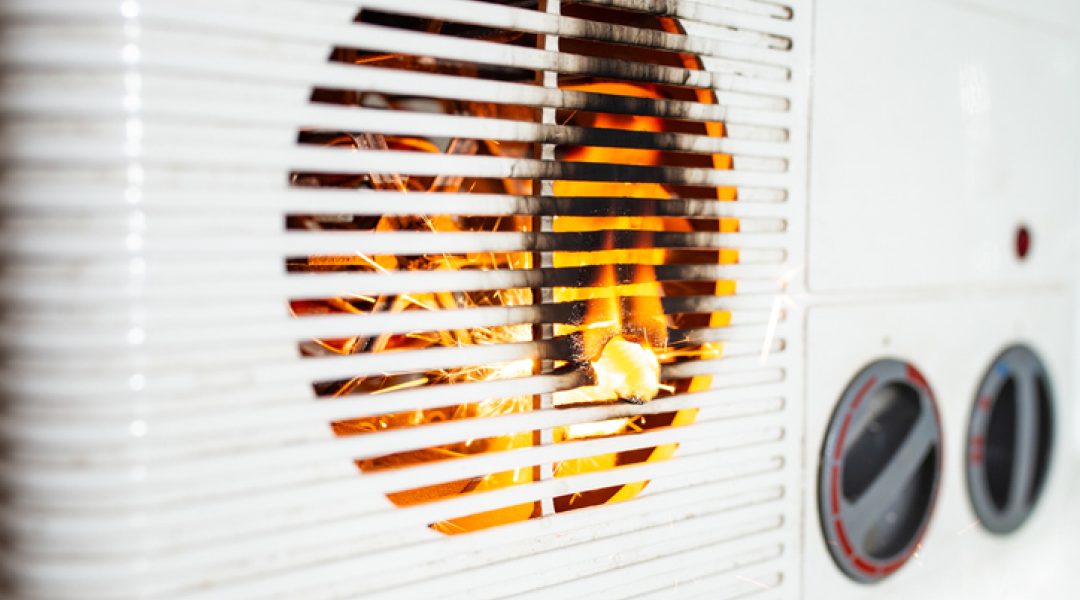
Read our blog on heating season fire risks in Rhode Island homes, recovery, and how our team can help restore fire-damaged properties.
September is the month heating equipment comes back online after five or six months of sitting idle. That first cold morning does more than raise the thermostat. It puts a real load on furnaces, boilers, chimneys, and space heaters that nothing has tested since spring, and it's why fall brings a noticeable jump in calls for fire damage restoration in Rhode Island. Clean Rite Cleaning & Restoration sees the same pattern every year, arriving in roughly the same two-week window as the first genuine cold snap.
Even a small fire that the department knocks down in ten minutes leaves a house feeling unfamiliar and unsafe for weeks afterward. What follows here is what raises risk as the heating season starts, what actually gets damaged when a fire happens, and what the first steps look like.
Why the Start of Heating Season Is the Risky Part
Mechanical equipment fails on startup more often than it fails mid-run. Dust settles on burners over the summer. Bird nests and leaves collect in flues. Rodents chew insulation on wiring in an unused attic or crawlspace. None of that matters in July. It matters a great deal the first time a burner fires at full output and pushes hot gas through a partly blocked passage.
The other factor is behavior. People pull space heaters out of closets, light the first fire in the fireplace, and run the dryer harder as laundry stops going outside to dry. Each of those is fine on its own. Together, they concentrate many new ignition sources into a few short weeks. A fair share of the fire damage restoration Rhode Island properties need each fall traces back to equipment that was never inspected before it was asked to work again.
The Equipment Worth Checking Before You Need It
Furnaces and boilers
Have the burner cleaned and the heat exchanger looked at before you rely on the system. An oil burner that fires with a partly blocked flue can push soot back into the living space, which most people know as a puffback. It coats every surface in the house with an oily black film in a matter of seconds. A gas system with a cracked heat exchanger is a different hazard and needs to be caught by someone with the right instruments. Heating equipment accounts for a large share of the fire damage restoration calls that our experts get once the cold sets in.
Chimneys and wood stoves
Creosote builds up on the inside of a flue every time you burn wood, and it burns hot enough to crack masonry and reach framing. If it has been more than a year since the chimney was swept, do that before the first fire. Check that the damper opens fully and that the cap and screen are intact.
Space heaters
Give a portable heater three feet of clear space in every direction, plug it directly into a wall outlet rather than a power strip or extension cord, and shut it off when you leave the room. Curtains, bedding, and stacked boxes are what turn a working heater into a fire.
Dryer vents
Lint accumulates in the duct, not just the trap. A restricted vent makes the dryer run hotter and longer, and lint ignites easily. Clear the full run of the duct, not only the screen you can reach.
Electrical loads
Older circuits weren't designed for the number of devices a modern household plugs in. Warm outlet covers, breakers that trip repeatedly, flickering lights, and a burning smell near a panel all warrant an electrician rather than a wait-and-see approach.
Smoke and Soot Reach Far Past the Flames
What surprises homeowners most is how much of the work has nothing to do with the burned area. Smoke moves with air, which means it travels through returns, wall cavities, stairwells, and gaps around fixtures, and it settles on cool surfaces well away from the fire. A kitchen fire contained to a stove can leave residue in a bedroom two floors up. Most of the fire damage restoration involves rooms the flames never entered.
Soot is also chemically active. It is acidic, and it etches metal, discolors grout and stone, yellows paint, and works into fabric and carpet fiber. Every hour it sits, more of that becomes permanent instead of cleanable. This is the biggest reason fire damage restoration in Rhode Island homes is time-sensitive: the difference between cleaning an item and replacing it is often measured in days.
Different materials also behave differently. Porous surfaces such as upholstery, drapery, insulation, and carpet padding hold odor deep in the material and rarely respond to surface cleaning. Hard surfaces usually clean well if they are reached quickly. Sorting what can be saved from what cannot is a large part of what Rhode Island property owners are actually paying for.
Water Is Almost Always Part of a Fire Loss
Suppression puts a significant volume of water into a building in a short time, and sprinklers or hose lines do not stop at the room that burned. Water runs down through floors, soaks insulation, and pools in cavities. On top of that, freezing weather and a fire in the same week can leave broken supply lines behind a wall.
That combination is why our fire damage restoration crew usually begins with drying rather than cleaning. Wet material left in place while soot cleanup happens around it can grow mold in roughly 48 hours, turning one problem into two. Moisture readings, air movers, and dehumidification come first, then the soot and odor work follows on surfaces that are actually dry.
What to Do in the First Two Days
- Do not go back inside until the fire department clears the building. Structural damage and hot spots are not always visible from the street.
- Leave the utilities alone. A utility company or licensed tradesperson should restore gas and electrical service, not a homeowner.
- Photograph everything before you move or clean anything. Wide shots of each room plus close shots of damaged belongings give you a record you will want later.
- Contact your insurance provider and open a claim. Ask what your policy covers for cleaning, storage, and temporary housing.
- Resist the urge to wipe soot off walls or furniture. Dry wiping grinds particles into the surface and can make a cleanable finish unrecoverable.
- Get the building dried and secured. Boarding openings and covering the roof keeps weather and animals out while you sort the rest.
- Pull out anything undamaged you need day-to-day, including medication, documents, and chargers, if you are allowed back in to retrieve them.
Those first two days shape how much of the rest of the job is cleaning versus replacement, and they are the part of fire damage restoration homeowners have the most control over. A short list of things to skip: do not run the HVAC system, because it will redistribute soot through the whole house; do not wash smoke-damaged clothing in a household machine, and do not throw out damaged belongings before they have been documented and evaluated.
Fire Damage Restoration in Rhode Island
Most of the risks above are cheap to address in September and expensive to ignore in January. A cleaned burner, a swept chimney, a clear dryer vent, and a few careful habits with portable heaters remove the majority of what our crews respond to every fall.
If a fire has already happened, the sooner you address soot and moisture, the more of your home and belongings you can recover. Our team handles drying, soot and odor removal, and cleaning of contents, and we will tell you honestly what is worth saving and what is not. Contact Clean Rite Cleaning & Restoration, and we will get someone out to assess the damage and start the fire damage restoration and recovery process in Rhode Island the right way.