


Nor'easter Season: How to Lower Your Risk of Water Damage in Providence Homes
November 06, 2026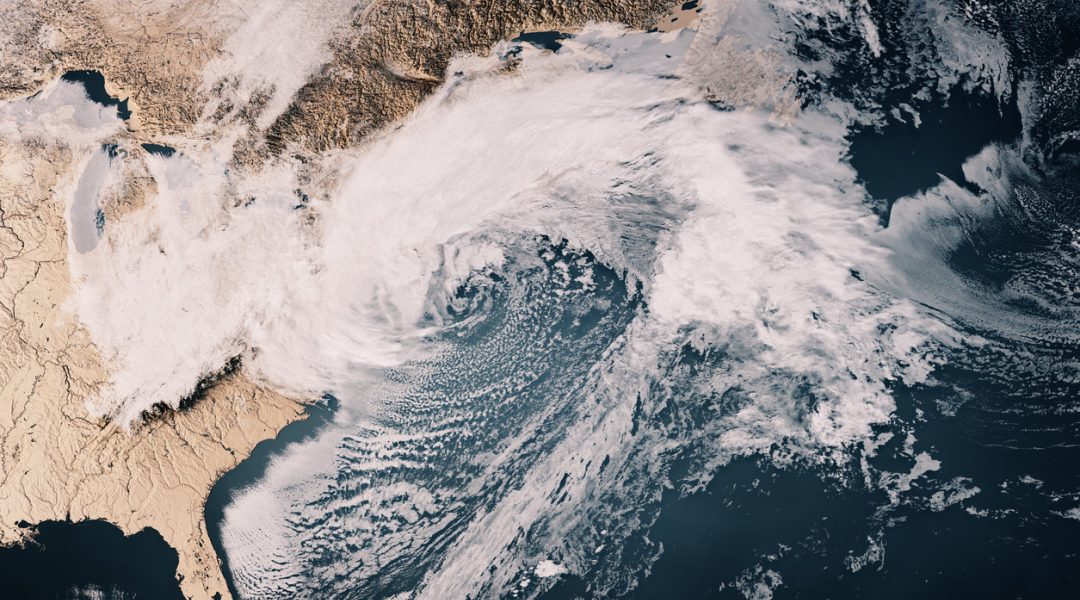
Coastal storm season runs from now through early spring, and the homes that come through it well are the ones where somebody cleared the gutters, tested the pump, and called for help the same day water appeared instead of the following week.
Late fall in New England brings a different kind of storm. Nor'easters spin up along the coast, slow down, and push hours of wind-driven rain and heavy surf at homes that have already taken weeks of autumn weather. A summer thunderstorm is over in twenty minutes. A November coastal storm can sit on top of a neighborhood for a day and a half, and that difference is what turns a minor roof gap or a tired sump pump into a real problem.
A lot of the water damage in Providence that follows one of these storms was preventable with an hour of work the week before. The rest comes down to how fast the water gets found and dried. Here is what these storms actually do to a house, what is worth checking now, and what to do if water gets inside anyway.
What a Nor'easter Does to a House
Nearly every case of water damage in Providence that follows a nor'easter comes back to the same three forces. Coastal storms combine three things that most other weather does not: sustained wind, long duration, and a lot of total rainfall. Each one attacks a building differently.
Wind-Driven Rain Finds the Gaps
Rain falling straight down lands on surfaces built to shed it. Rain driven sideways at thirty or forty miles an hour does something else entirely. It gets pushed up under shingle edges, around window frames, behind siding laps, and through small gaps in trim that have never leaked before. Depending on the home's construction, that water can travel along framing for a long way before it shows up as a stain on a ceiling or a damp spot on a wall.
This is the sneaky part. The storm passes, the sun comes out, and the exterior dries. Inside the wall cavity, wet insulation and framing stay damp, and mold can start growing on damp material in roughly two days.
Saturated Ground and Standing Water
By November, the ground is already holding water from fall rain and doesn't absorb much more. Several inches on top of saturated soil have nowhere to go, so they pool against foundation walls and push through whatever openings they find. If your home has a basement or a crawl space, that is usually where the first signs show up. In homes closer to the shoreline, storm surge and tidal flooding add a second source entirely, and that water is rarely clean.
Finding an inch of water in a finished space the morning after a storm is a sinking feeling, and the instinct is to wait and see whether it dries on its own, which is almost always the wrong call.
A Pre-Storm Checklist Worth Doing in November
None of this takes long, and it is far cheaper than cleanup.
- Clear gutters and downspouts completely. Leaves that fell in October will back up water over the fascia during a long storm.
- Extend downspouts so they discharge at least four or five feet from the foundation.
- Walk the exterior and look for failed caulk around windows, doors, and trim penetrations.
- Test the sump pump by pouring a bucket of water into the pit and confirming it kicks on and shuts off.
- Check that the sump discharge line isn't clogged and doesn't drain back toward the house.
- Move stored boxes, photos, and electronics off basement floors and onto shelving.
- Know where your main water shutoff is before you need it in the dark.
Most reports of water damage in Providence after a storm trace back to one of the first three items on that list.
When the Power Goes Out
Nor'easters knock down power lines, and a sump pump without electricity is just a hole in the floor. Outage-related pump failure is one of the leading causes of water damage in basements during storm season. If you rely on one, a battery backup or a water-powered backup unit is worth the investment before the heart of the season.
The outage creates a second problem that gets overlooked. With the heat off, indoor temperatures drop fast, and pipes along exterior walls or in unheated spaces start to get cold. A long outage during a cold snap is one of the more common ways a storm turns into a burst pipe two days later. Opening cabinet doors under sinks on exterior walls and letting a faucet drip costs nothing.
The First 24 Hours After Water Gets In
Speed matters more than anything else here because what starts as clean water doesn't stay that way. The first day sets the ceiling on how much water damage in Providence homes ends up costing.
Stop the source if it is safe to do so
If the water is coming from a failed pipe or appliance, shut off the supply. If it is coming from outside, there is nothing to shut off, so focus on keeping it from spreading into unaffected rooms. Do not walk into standing water in a space with live electrical outlets or panels.
Understand what you are dealing with
Restoration professionals sort water into three categories. Category 1 is clean water from a sanitary source, like a supply line. Category 2 contains contaminants that may cause illness after exposure. Category 3 is heavily contaminated and may include sewage or floodwater from outside. Storm water and tidal flooding are treated as Category 3, which means the materials it soaks are handled and disposed of very differently than a clean supply leak. This is not a judgment call worth making yourself.
Document, then start removing water.
Photograph and video everything before you move it. Pull up area rugs, get furniture off wet carpet, and remove what you can safely carry out. If you want to file a claim, contact your insurance provider and verify your coverage early, because that process runs in parallel with the cleanup rather than after it.
How Professional Drying Actually Works
Removing the standing water is the easy half. The harder half is pulling moisture back out of the building materials that absorbed it, and that is where most do-it-yourself attempts fall short. Fans blowing across a wet floor move surface moisture and do very little for the subfloor underneath.
A proper response starts with moisture readings and a moisture map so the boundaries of the wet area are known, not guessed. Extraction comes next, followed by controlled drying with air movement and dehumidification sized to the space, with readings taken daily until materials return to normal levels. Wet insulation and saturated drywall usually come out rather than being dried in place, because they hold water long after the surrounding surfaces feel dry. When stormwater is involved, cleaning and sanitizing are part of the process, not an add-on.
Catching water damage within the first day or two is usually the difference between drying a space and rebuilding it. Once materials stay wet past about forty-eight hours, mold growth and structural swelling start adding to the scope and the cost.
Water Damage in Providence, RI
Coastal storm season runs from now through early spring, and the homes that come through it well are the ones where somebody cleared the gutters, tested the pump, and called for help the same day water appeared instead of the following week. If a storm gets the better of your home this season, our team at Clean Rite Cleaning & Restoration knows how fast water damage in Providence can spread. We can assess the damage, start drying quickly, and handle the cleanup properly. Contact us today to schedule an assessment.