


Winterizing Your Rhode Island Home: How to Prevent Frozen Pipe Water Damage
October 09, 2026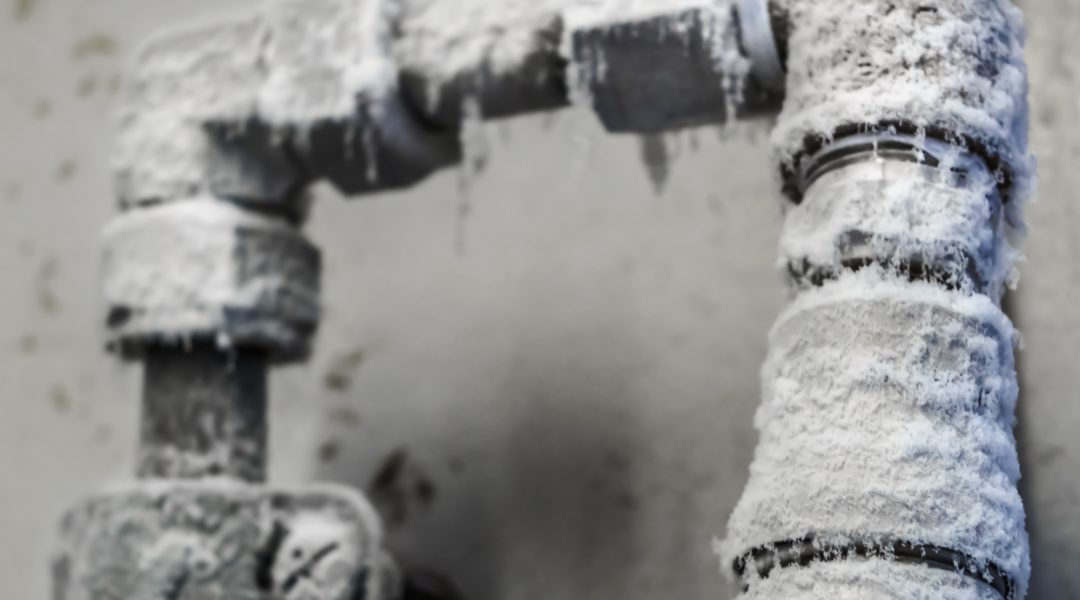
This guide covers winterizing steps to protect your plumbing, habits that help during a cold snap, and what to do if a pipe bursts anyway.
October is the last comfortable stretch of the year to get your home ready for winter. Once the first hard freeze arrives, pipes running through a home's cold corners are suddenly at risk, and a single split line can release hundreds of gallons of water before anyone notices. Frozen pipes are one of the most common causes of water damage that Rhode Island homeowners face each winter, and most of those calls start with a problem you could have prevented in the fall.
This guide covers winterizing steps to protect your plumbing, habits that help during a cold snap, and what to do if a pipe bursts anyway.
Why Frozen Pipes Burst
Water expands as it freezes. When ice forms inside a pipe, it builds pressure between the frozen section and the downstream, closed faucet. That pressure, not the ice itself, is usually what splits the pipe. This is why a break often shows up somewhere other than the coldest spot, and why the leak may not start until the ice thaws and water begins flowing again.
Both copper and plastic lines can fail this way. A pipe that has frozen and survived once may also be weakened, which makes it more likely to fail the next time temperatures drop. Understanding how this happens is the first step toward avoiding the kind of water damage Rhode Island families would rather never need.
Where Pipes Are Most at Risk
Pipes freeze where cold air reaches them, and warm air from the living space does not. Pay close attention to these areas:
- Pipes along exterior walls, especially under kitchen and bathroom sinks
- Unheated basements, crawl spaces, and garages
- Attics and knee walls
- Outdoor spigots and hose bibs
- Lines near windows, dryer vents, or other gaps where drafts get in
- Plumbing in additions or rooms that were built after the original house
If a pipe has frozen before, start there. A spot that froze once is likely to freeze again unless something changes.
How to Winterize Your Plumbing This Fall
A few hours of work in October can prevent damage that takes weeks to repair. Many burst-pipe calls that lead to water-damage restoration in January and February trace back to a skipped step on this list.
Disconnect and Drain Outdoor Hoses and Spigots
A hose left connected traps water in the spigot, where it can freeze and crack the pipe just inside the wall. Disconnect every hose, drain it, and store it. If your outdoor faucets have an interior shut-off valve, close it and open the outside tap to let the line drain.
Insulate Exposed Pipes
Foam pipe sleeves are inexpensive and easy to install on pipes in basements, crawl spaces, and garages. For lines that have frozen before, plumbing-rated heat tape can add protection. Follow the manufacturer's instructions closely, and never wrap heat tape over itself.
Seal Drafts and Air Leaks
Cold air getting into a pipe matters as much as the outside temperature. Check where pipes and wires enter the house, and seal gaps with caulk or expanding foam. Close crawl space vents and make sure basement windows shut tightly.
Know Where Your Main Shut-Off Valve Is
If a pipe bursts, stop the water first. Find your main shut-off valve now, make sure it turns, and show everyone in the household where it is. A stuck valve or one hidden behind boxes costs valuable minutes in an emergency.
Cold Snap Habits That Protect Your Pipes
When the forecast calls for a deep freeze, small changes in your routine help keep water moving and pipes warm:
- Let faucets on exterior walls drip slowly overnight.
- Open cabinet doors under sinks so warm air can reach the pipes.
- Keep the thermostat at a steady temperature day and night.
- Keep garage doors closed if water lines run through the garage.
- Avoid setting the heat very low in rooms you rarely use
A dripping faucet may look wasteful, but it relieves pressure in the line and costs far less than a repair.
If You Leave Home for the Winter
Empty homes are especially vulnerable because a burst pipe can run for days before anyone finds it. If you travel or own a seasonal property, keep the heat set to at least 55 degrees. Ask a neighbor or friend to check the house regularly, and consider a smart leak detector or temperature sensor that sends alerts to your phone. For longer absences, shutting off the main water supply and draining the lines is the safest choice.
Many late-winter water damage restoration cases involve a home that sat empty during a cold stretch. A little planning before you leave prevents most of them.
Signs a Pipe Has Already Frozen
Catching a frozen pipe before it breaks gives you a chance to thaw it safely. Watch for:
- Little or no water coming from a faucet
- Frost visible on an exposed pipe.
- A toilet that will not refill
- Unusual smells from a drain
- Bulging or cracking on the pipe surface
If you suspect a frozen pipe, open the faucet and gently warm the pipe with a hair dryer or warm towels, starting near the faucet and working back. Never use an open flame. If you cannot reach the frozen section or the pipe already shows cracks, turn off the water and call a plumber. If water has already reached floors or walls, call water damage restoration experts before the moisture travels.
What to Do If a Pipe Bursts
Even well-prepared homes can have a pipe fail during a hard freeze, and finding water pouring through a ceiling or across a floor is a stressful moment for anyone. These steps help limit the damage:
- Shut off the main water valve right away.
- Turn off electricity to the affected area if water is near outlets or appliances, and only if you can safely reach the panel.
- Call a plumber to repair the broken line.
- Take photos and video of the damage before moving anything to document it for your insurance claim.
- Move valuables and furniture out of the wet area if it is safe to do so.
- Contact an emergency water damage restoration provider before the water spreads further.
Avoid using a household vacuum on standing water, and stay out of rooms where water has reached electrical outlets.
Why Professional Drying Matters After a Burst Pipe
Water from a burst supply line starts as Category 1 water, meaning it comes from a clean source. That changes quickly. Once it soaks through flooring, insulation, and wall cavities, it can pick up contaminants and become Category 2 water, which can make people sick. Mold can also begin growing in damp materials within 24 to 48 hours.
Mopping up what you can see is rarely enough. Water travels behind walls, under flooring, and along framing, and those hidden areas can stay wet long after the surface feels dry. Water damage restoration professionals use moisture meters and thermal imaging to find hidden water. From there, technicians extract standing water, remove unsalvageable materials, and set up commercial dehumidifiers and air movers. Technicians track moisture readings until every affected area is dry.
This process also creates the documentation your insurance provider will want, including photos, moisture readings, and a record of what was removed and why.
Water Damage Restoration in Rhode Island
Winterizing your pipes this month is one of the simplest ways to protect your home from the costly damage a hard freeze can cause. If a pipe bursts, fast action limits water spread and reduces mold risk. Our team at Clean Rite Cleaning & Restoration provides emergency water damage restoration for Rhode Island residents and is available 24 hours a day, 365 days a year. Call us today, and we will get your home dried out and back to the best possible condition.